
Choosing the right birth control for you
There are many different forms of birth control including: pills, patches, injections and intrauterine devices. When trying to determine your best birth control option, you should take into consideration a number of factors including:
- Your desire to become pregnant in the near future.
- The nature of your relationships (ie. fully monogamous or non-monogamous).
- How long you intend to use birth control (i.e. months, years).
This determines which form of birth control is most suitable: Short-acting or long-acting methods.
Short-acting methods
Include birth control pills, patches or injections that are used on a daily, weekly or monthly basis.
Long-acting methods
Include the copper IUD, hormonal IUD or implant. Long-acting methods last for 3-10 years after insertion (depending on the device) or until you decide to have the device removed.
- Your ability to take pills on a routine and regular basis.
- Your personal preference regarding the type of contraceptive you think is best for you.
In addition to your personal preference, your doctor will also consider other factors when recommending birth control, such as your current and past medical history, your family history and your current health status.
Brief overview of different birth control options available
The following is a brief overview of different types of birth control options available
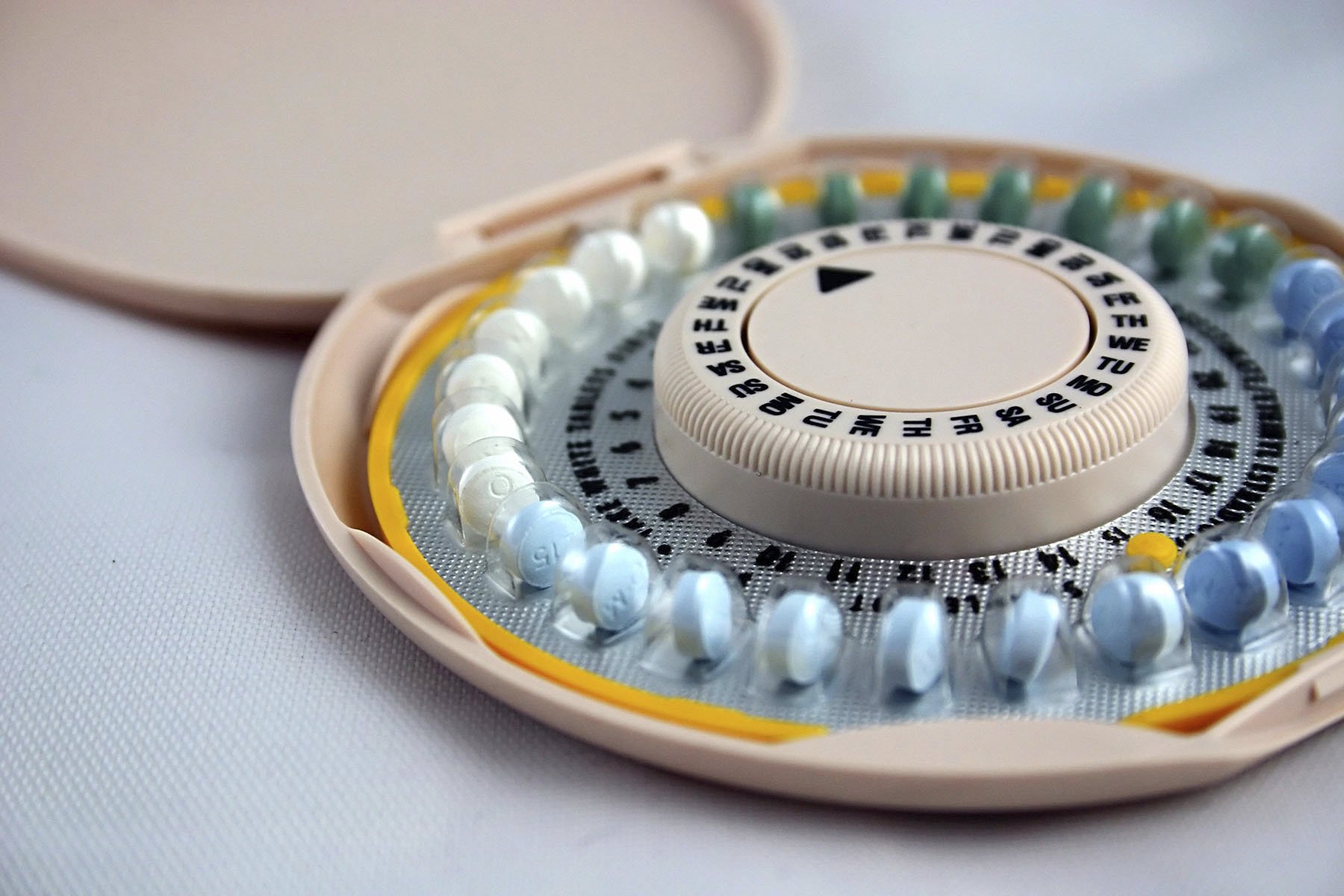
Birth control pills
Pills are a highly effective option for birth control. They are greater than 91% effective with typical use. Birth control pills must be taken daily and consistently. The first three weeks of pills contain a combination of estrogen and progesterone, and the fourth week’s pills are inactive. The inactive pills allow your menstrual period to begin.
Patch
An adhesive patch is placed inconspicuously on the skin for one week at a time. Hormones are delivered transdermally (from the patch to the skin). The patch is replaced on the same day each week. It is then removed in the fourth week to allow the menstrual cycle to begin. The patch is around 91% effective with typical use.
Injection
The contraceptive injection is another hormonal birth control option. It involves one injection that lasts three months, making it another low-maintenance choice. An injection is needed every three months, usually given at a doctor’s office. This method of contraception is about 94% effective.
Barrier methods
A diaphragm is a round piece of flexible rubber with a rigid rim. The diaphragm is placed in the vagina and against the cervix. The diaphragm prevents semen from entering the womb. Spermicide must be used with a diaphragm.
Implant
An implant is a long-acting type of birth control. It involves inserting a matchstick-sized implant into the upper arm. The implant slow-releases contraceptive hormones for up to three years. It can be removed at any time. The implant is one of the more low-maintenance birth control methods available. The Nexplanon implant is almost 100% effective.
Intrauterine device (IUD)
The IUD is a small, t-shaped device that is placed into the uterus and lasts from 3-12 years (depending on the brand). IUDs are 99% effective. Once the IUD has been inserted, women do not need to take any further steps to prevent pregnancy. The IUD can be removed at any time and pregnancy may happen quickly thereafter.
Vaginal ring
A vaginal ring is placed in the vagina near the cervix. It slow-releases contraceptive hormones for three weeks at a time. It is then removed for one week to allow menstruation to begin. Vaginal rings need to be replaced monthly and can be 91% effective.
Tubal ligation
Tubal ligation is a form of permanent sterilization. It is usually recommended for women who have completed their families and no longer wish to have more children. It may also be recommended in rare cases where a potential pregnancy might significantly harm the life of a mother or impair her well-being. The procedure itself involves the fallopian tubes (the connection between the ovaries and uterus) being cut, tied or blocked to permanently prevent pregnancy.
The best method of birth control will ultimately be the one that works best for you. It should be an option that is safe, comfortable and fits with your healthcare needs.
Speak to your doctor for further guidance on birth control options and how to get started.