
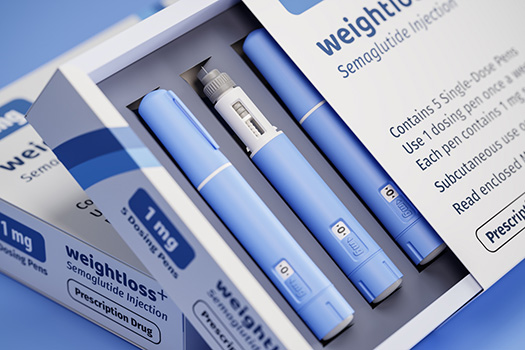
Unlock the Potential of Semaglutide for Weight Management: Benefits, Suitability, and Essential Considerations
What does semaglutide do?
Originally developed to treat type 2 diabetes, semaglutide is a drug that has also shown surprising promise in the area of weight loss. It belongs to a class of medications called glucagon-like peptide-1 (GLP-1) receptor agonists. When you consume food, GLP-1 proteins are released in the intestine. This stimulates the release of insulin and lowers blood sugar levels. TThis is great news for those with type 2 diabetes. However, it turns out that when released, this protein also slows down gastric emptying. That means food stays in the stomach longer, leading to increased feelings of fullness and reduced appetite. This medication can be life-saving for type 2 diabetics. However, it can also help with weight loss.
Semaglutide activates the GLP-1 receptors in the body, mimicking the effects of naturally occurring GLP-1. By doing so, it helps regulate blood sugar levels and promotes weight loss -by reducing the appetite and food intake.
What is semaglutide used for?
Semaglutide was Initially approved by the Food and Drug Administration (FDA) for the treatment of type 2 diabetes. Since 2021, semaglutide has also been approved specifically for chronic weight management in adults with a body mass index (BMI) of 27 or greater, those who have at least one weight-related condition, such as high blood pressure, type 2 diabetes, or high cholesterol.
How can semaglutide help in weight loss?
Semaglutide promotes weight loss through multiple mechanisms:
- Appetite suppression – By activating GLP-1 receptors in the brain, semaglutide reduces feelings of hunger, leading to decreased food intake.
- Slowed gastric emptying – Semaglutide slows down the emptying of the stomach, prolonging feelings of fullness and reducing the urge to eat.
- Calorie reduction – With reduced appetite and increased feelings of fullness, individuals taking semaglutide tend to consume fewer calories, aiding in weight loss over time.
Studies have shown that semaglutide treatment, combined with lifestyle modifications, such as diet and exercise, can lead to significant and sustained weight loss compared to the placebo. A 2021 study published in the New England Journal of Medicine found that semaglutide taken once weekly plus lifestyle interventions in participants who were overweight or obese, was associated with a sustained reduction in body weight.
Who is a good candidate for using semaglutide?
Good candidates for using semaglutide typically include
- Adults who are overweight or obese and have struggled to lose weight through diet and exercise alone. This includes individuals with a body mass index (BMI) of 27 kg/m² or greater who also have at least one weight-related condition, such as high blood pressure, type 2 diabetes, or high cholesterol.
- Individuals with type 2 diabetes who are looking to manage both their diabetes and weight may also be suitable candidates for semaglutide, as it can help regulate blood sugar levels, while promoting weight loss.
It is important to first speak to your doctor to determine if semaglutide is appropriate for you. Your doctor will assess your individual health status, medical history and suitability for treatment. They can also help determine if semaglutide is the right option and provide guidance on its proper use.
What are some risks and side effects of using semaglutide?
While semaglutide can be an effective tool for weight management, it’s essential to be aware of potential risks and side effects. Common side effects may include:
- Nausea – Some individuals may experience mild to moderate nausea, especially when starting treatment. This side effect typically improves over time.
- Vomiting – In some cases, nausea may progress to vomiting, although this is less common.
- Diarrhea – Semaglutide can cause gastrointestinal upset in some individuals, leading to diarrhea.
- Constipation -Some individuals may experience constipation as a side effect.
In rare cases, more serious side effects, such as pancreatitis or gallbladder problems, may occur. It’s essential to consult with a healthcare professional before starting semaglutide, especially if you have a history of pancreatitis or other gastrointestinal issues.
In individuals with type 2 diabetes, close monitoring of blood sugar levels is crucial. Adjustments to diabetes medications may be necessary under the guidance of your doctor or healthcare provider.
What lifestyle interventions should be used alongside Semaglutide
Eating a balanced diet, exercising regularly, managing stress and avoiding harmful substances, like smoking or excessive alcohol consumption, will contribute to better outcomes.
Semaglutide represents a promising option for individuals struggling with weight loss and related health conditions. If you’re considering semaglutide for weight loss, first speak to your doctor. Semaglutide is not for everyone, so it is important for your doctor to recommend treatment plans and medications based on your own personal medical history.