
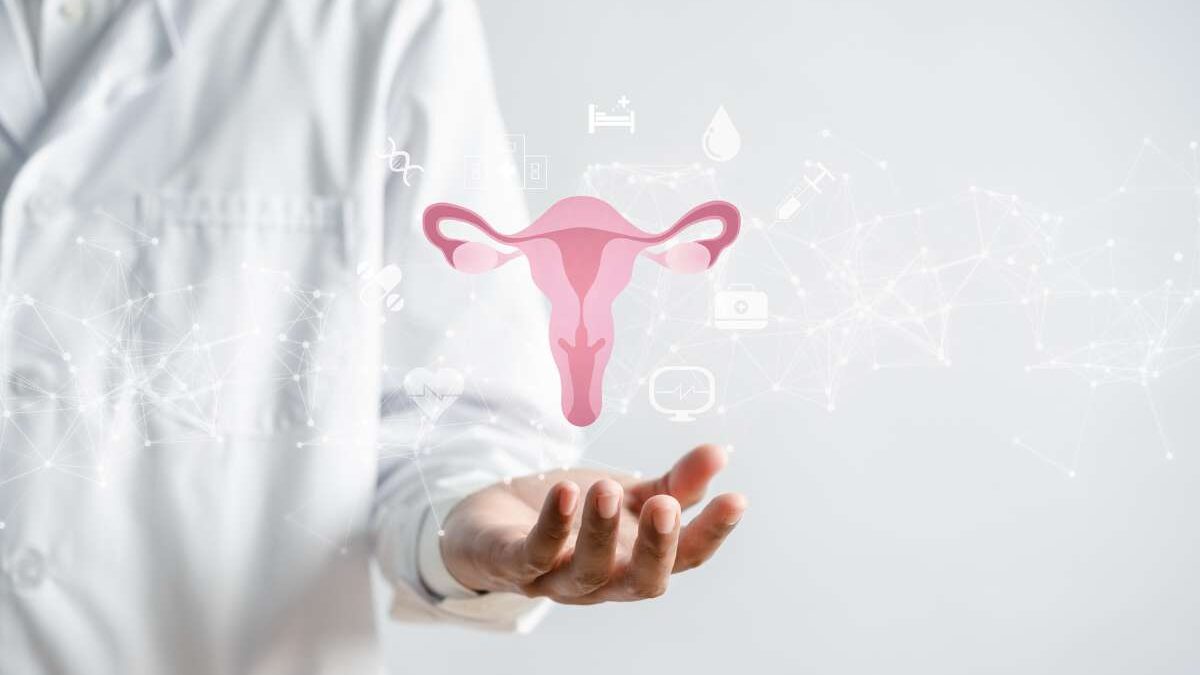
Polycystic Ovary Syndrome (PCOS) is a common condition that affects many women of reproductive age. Despite its prevalence, it remains a source of confusion and concern for many people. Therefore, understanding what PCOS is, how it’s diagnosed, and ways to manage the condition can make a significant difference to those women who are affected.
What is PCOS
PCOS is a hormonal disorder characterized by the presence of multiple small cysts on the ovaries. The condition results in hormonal imbalances and irregular menstrual cycles and can affect a woman’s ability to conceive. PCOS can also lead to other health issues if not managed appropriately.
Symptoms of PCOS
In Polycystic Ovary Syndrome, the normal regulation of some hormones becomes disrupted. This can lead to symptoms such as:
- Irregular menstrual cycles -Women with PCOS often experience infrequent or absent periods.
- Hirsutism – Hirsutism is another term for excessive hair growth. In PCOS, excessive hair growth is particularly prominent on the face, chest and back.
- Acne and oily skin – Hormonal imbalances can lead to persistent acne and overly oily skin.
- Hair thinning or balding – Some women with PCOS experience hair thinning, similar to male-pattern baldness.
- Weight gain – PCOS can make it challenging to maintain a healthy weight or lose weight. Weight gain is a common symptom of PCOS.
Risk Factors for PCOS
While the exact cause of Polycystic Ovary Syndrome is not known, several factors may increase the risk of developing this condition. This includes:
- Genetics – PCOS tends to run in families. If your mother or sister has PCOS, your risk of developing it may be higher.
- Insulin Resistance – Many women with PCOS have insulin resistance, where their bodies can’t use insulin effectively. This can lead to higher insulin levels, which may worsen PCOS symptoms.
- Obesity – Being overweight or obese can exacerbate insulin resistance and increase the risk of developing PCOS.
Diagnosing PCOS
Diagnosing PCOS is not always straightforward. Some of the symptoms mentioned above can take on a milder form that tends to cause no obvious problems. Therefore, it can be easy to miss the underlying diagnosis of PCOS. If you suspect that you have PCOS, it is essential to consult your doctor for a proper diagnosis.
For diagnosis, your doctor will likely carry out the following:
Medical History and Physical Examination
Your doctor will discuss your symptoms, menstrual cycle and family history. They will also conduct a physical examination to check for signs of excess hair growth, acne and other symptoms.
Blood Tests
Blood tests measure hormone levels. Elevated androgen levels are a common indicator of PCOS. Tests for cholesterol, insulin and glucose levels may also be conducted to check for related conditions.
Pelvic Ultrasound
An ultrasound can help visualize the ovaries and check for multiple small cysts. It can also assess the thickness of the endometrium (lining of the uterus).
Managing PCOS: Lifestyle Changes
Lifestyle changes are the cornerstone of managing PCOS effectively. Small, consistent changes in your daily routine can significantly improve your symptoms and overall health. Management may include one or more of the following factors:
Healthy Diet
A balanced diet can help manage insulin levels, reduce inflammation and support weight management. Here are some dietary tips for managing PCOS:
- Focus on Whole Foods – Incorporate plenty of fruits, vegetables, whole grains and lean proteins into your diet. These foods are rich in nutrients and fiber, which can help regulate blood sugar levels.
- Limit Processed Foods – Minimize consumption of sugary snacks, refined grains and high-fat processed foods. These can contribute to insulin resistance and weight gain.
- Healthy Fats – Include sources of healthy fats like avocados, nuts, seeds and olive oil. These can help reduce inflammation and support hormone balance.
- Regular Meals – Eating regular, balanced meals can help maintain steady blood sugar levels throughout the day.
Regular Exercise
Physical activity is beneficial for managing PCOS symptoms and your overall health. Exercise can help reduce insulin resistance, promote weight loss and improve mood. Try to get at least 30 minutes of moderate exercise most days of the week. Activities like brisk walking, cycling, swimming and strength training are all excellent options.
Medication
While lifestyle changes are crucial, some women with PCOS may also need medication to manage their symptoms effectively. Here are some commonly prescribed medicines for PCOS:
Hormonal Birth Control
Hormonal contraceptives, such as birth control pills, patches, or vaginal rings, are often prescribed to regulate menstrual cycles, reduce androgen levels and alleviate symptoms like acne and excessive hair growth. They provide a consistent level of hormones that can help balance your body’s natural hormone production.
Metformin
Metformin is a medication commonly used to treat type 2 diabetes. However, it can also benefit women with PCOS. It helps improve insulin sensitivity, lower insulin levels and reduce androgen production. Metformin can also aid in weight loss and help regulate menstrual cycles.
Anti-Androgen Medications
Anti-androgen medications, such as spironolactone, can help reduce symptoms caused by high androgen levels, like acne and excessive hair growth. These medications work by blocking the effects of androgens on the body.
Support and Emotional Well-being
Living with PCOS can be physically and emotionally challenging. It’s important to seek support and take care of your mental health.
Support Groups
Joining a support group, either in-person or online, can provide a sense of community and understanding. Sharing experiences and coping strategies with others who have PCOS can be incredibly comforting and empowering.
Self-Care Practices
Incorporate self-care practices into your routine to reduce stress and improve your emotional well-being. Activities like yoga, meditation, deep breathing exercises and journaling can help manage stress levels and promote a positive outlook.
Managing PCOS is a multi-faceted journey that involves lifestyle changes, medication and emotional support. By understanding PCOS, recognizing the risk factors and adopting effective management strategies, you can take control of your health and improve your quality of life. Be sure to speak to your doctor for further advice and guidance on diagnosing and managing PCOS.