
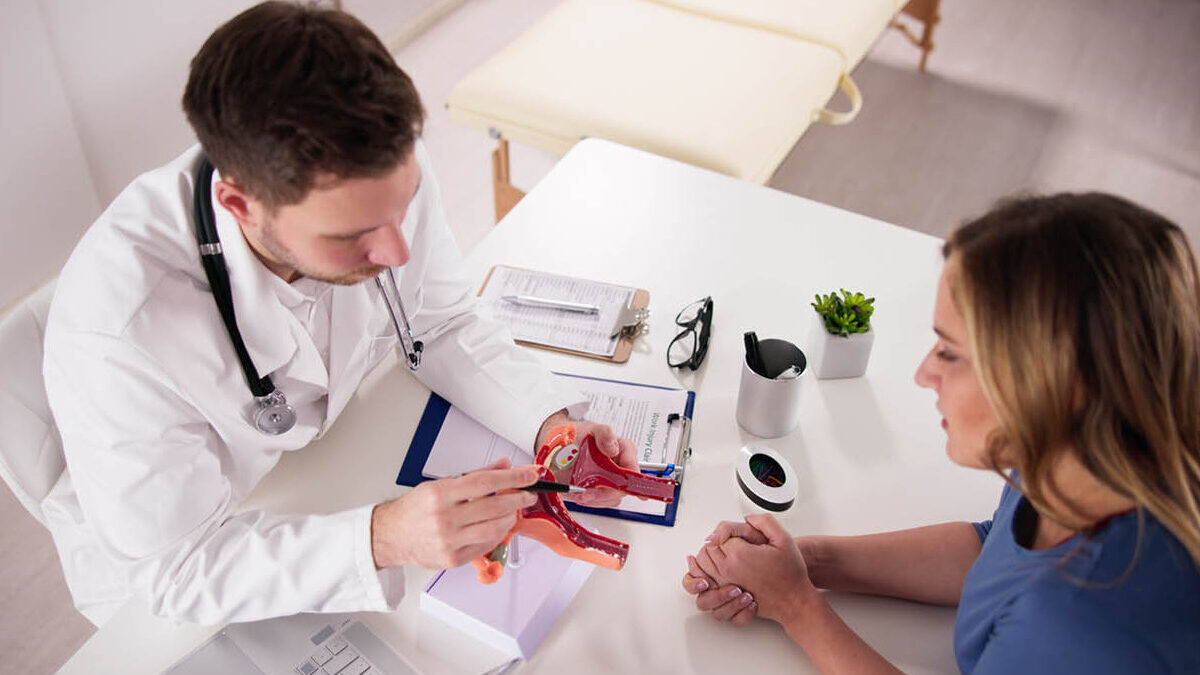
Uterine fibroids are a common issue that many women face, especially during their reproductive years. These non-cancerous growths can bring about a range of symptoms and impact various aspects of daily life. This article will break down what uterine fibroids are, their symptoms, how they can affect you, and the treatment options available.
What Are Uterine Fibroids?
Uterine fibroids, also called leiomyomas or myomas, are non-cancerous growths that appear in or on the uterus. They are made up of muscle and fibrous tissue and can vary in size. Sometimes, fibroids grow as a single lump, while other times, they appear in clusters.
Women in their 30s and 40s are most likely to get fibroids, but they can happen at any age. The exact cause of fibroids isn’t fully known, but they seem to be influenced by hormones like estrogen and progesterone. Genetics may also play a part, as fibroids often run in families. Even though fibroids are not cancerous, they can still affect a woman’s quality of life and might need medical treatment.
Symptoms of Uterine Fibroids
Not all women with fibroids experience symptoms. However, for those who do, the symptoms can range from mild to severe and may include:
- Heavy Menstrual Bleeding: This is one of the most common symptoms and can lead to anemia if left untreated. Women may notice the need to change sanitary protection more frequently or use double protection.
- Menstrual Pain: Increased cramping and discomfort during menstrual periods.
- Pelvic Pain and Pressure: A feeling of fullness or pressure in the lower abdomen. This sensation can be constant or intermittent and may worsen over time.
- Frequent Urination: This occurs when fibroids press on the bladder. Women may find themselves needing to urinate more often, including waking up at night to go to the bathroom.
- Constipation: Fibroids pressing on the rectum can cause bowel movement issues. This pressure can make it difficult to pass stool, leading to discomfort and bloating.
- Reproductive Issues: Fibroids can sometimes interfere with fertility or cause complications during pregnancy. They may lead to difficulties in conceiving, increase the risk of miscarriage, or cause problems during labor and delivery.
Diagnosing Uterine Fibroids
Diagnosis usually involves a review of your medical history, a physical examination, and imaging tests such as ultrasound or MRI. These tools help determine the size, number, and location of fibroids.
Treatment Options for Uterine Fibroids
The treatment for uterine fibroids depends on the severity of symptoms, the size, and location of the fibroids, and whether you plan to have children in the future. Here are the main traditional treatment options:
- Watchful Waiting: If your symptoms are mild or you are nearing menopause (when fibroids often shrink naturally), your doctor may recommend monitoring the fibroids over time without immediate intervention.
- Medications: Medications can help manage symptoms but won’t remove fibroids. Options include hormonal or non-hormonal treatments. Examples of hormonal treatments are birth control pills, IUDs with progestin, and GnRH agonists, which can help control heavy bleeding and reduce fibroid size. Non-hormonal treatment options include NSAIDs (examples: ibuprofen and naproxen), which can relieve pain, and tranexamic acid, which can reduce heavy menstrual bleeding.
- Minimally Invasive Procedures: For more significant symptoms, minimally invasive procedures may be effective.
- Uterine Artery Embolization (UAE): This procedure cuts off blood supply to the fibroids, causing them to shrink.
- MRI-Guided Focused Ultrasound Surgery (FUS): A non-invasive technique that uses high-frequency sound waves to destroy fibroid tissue.
- Laparoscopic or Robotic Myomectomy: These surgeries remove fibroids while preserving the uterus, using small incisions and advanced tools.
- Surgical Options: For larger fibroids or more severe symptoms, surgery may be necessary.
- Myomectomy: This surgery removes fibroids while preserving the uterus, suitable for women who wish to retain fertility.
- Hysterectomy: This involves removing the uterus and is a definitive solution for fibroids. It is considered when other treatments have failed, and the woman does not wish to conceive in the future.
- Endometrial Ablation: This procedure destroys the lining of the uterus to reduce heavy bleeding but is not suitable for women who wish to become pregnant.
Latest Treatment Innovations
Advancements in medical technology have introduced new, less invasive treatments for fibroids, offering promising alternatives to traditional methods. One such innovation is Radiofrequency Ablation (RFA), a procedure that uses heat to destroy fibroid tissue. RFA can be done either laparoscopically (surgery done through small cuts in the belly using a camera tool) or transcervically (procedure done through the cervix without external cuts). This provides flexibility in treatment approaches and minimizes recovery time.
Another cutting-edge treatment is Magnetic Resonance Imaging-Guided Focused Ultrasound (MRgFUS). This method uses MRI to help direct high-frequency sound waves to destroy fibroid tissue without needing any cuts. Additionally, new oral medications, such as selective progesterone receptor modulators (SPRMs), are being developed. These medications help to manage fibroid symptoms effectively while minimizing side effects. They offer a convenient and less invasive option for women seeking relief from fibroid-related issues.
Lifestyle Changes
In addition to medical treatments, lifestyle changes can help manage fibroid symptoms:
- Diet and Nutrition: Eating a balanced diet rich in fruits, vegetables, and whole grains can help maintain overall health. Some studies suggest that reducing red meat and increasing green vegetables may help lower the risk of developing fibroids.
- Exercise: Regular physical activity, such as walking, running, or swimming, can help reduce fibroid symptoms and improve overall well-being. Strength training and flexibility exercises, like yoga, can also be beneficial.
- Stress Management: Techniques such as yoga, meditation, and deep-breathing exercises can help manage stress, which may worsen fibroid symptoms. Practicing these regularly can promote relaxation and improve mental health.
Understanding uterine fibroids is essential for managing their impact on health and daily life. Recognizing the symptoms and exploring the available treatments can help you make informed decisions about your care. With ongoing advancements in medical technology, effective and less invasive treatment options are continually emerging, offering hope and improved quality of life for those affected. For personalized advice and treatment, consult with your healthcare provider, who can guide you through the best options based on your unique situation.