
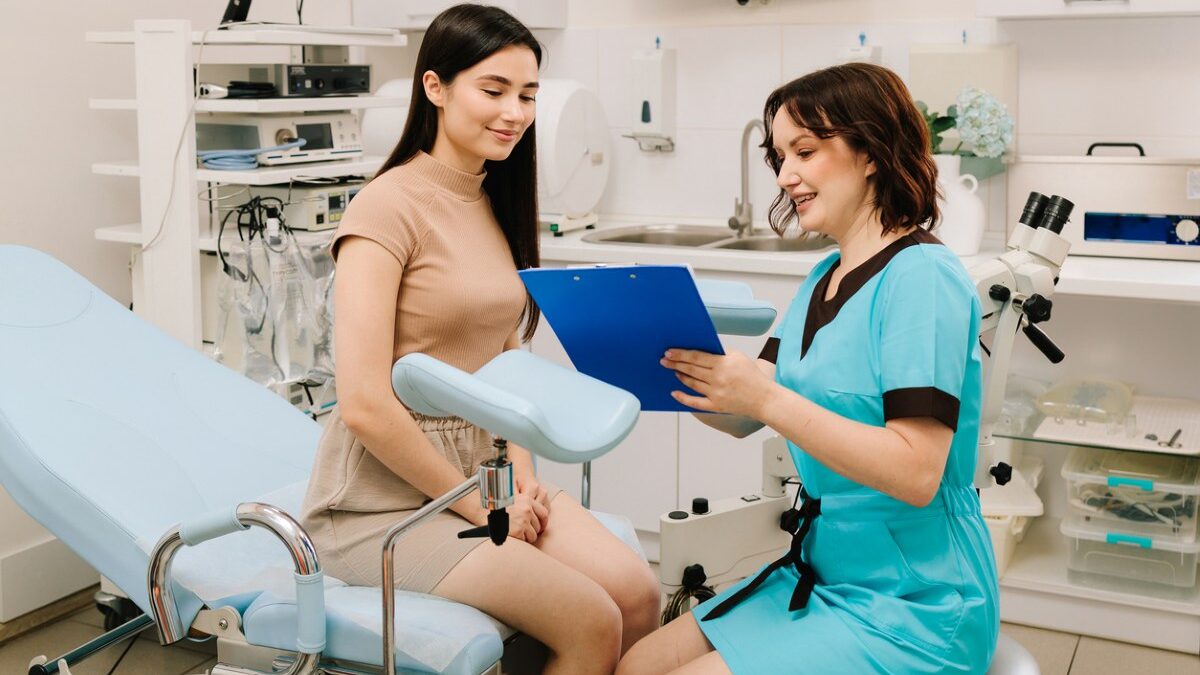
A colposcopy is a simple, in-office procedure that lets your provider get a closer look at your cervix. It is usually recommended after an abnormal Pap smear or a positive HPV (human papillomavirus) test result. While hearing that you need follow-up testing can feel stressful, a colposcopy is a routine diagnostic step that helps your provider determine whether any cervical cell changes need further attention.
Why Do I Need A Colposcopy?
Pap smears screen for changes in the cells of your cervix, and HPV tests check for strains of the virus that are most commonly linked to cervical cancer. When either of these tests comes back with abnormal results, it does not automatically mean something is seriously wrong. In many cases, the cell changes are mild and resolve on their own.
However, your provider needs more information to make that call. A colposcopy allows them to examine your cervix under magnification and identify any areas that look unusual. Think of it as a more detailed follow-up to your initial screening, not a final diagnosis. If you’re still sorting out the differences between a Pap smear and a pelvic exam, it can help to review how each one fits into your routine care.
What to Expect Before the Procedure
You do not need to do much to prepare for a colposcopy. Your provider may ask you to avoid using tampons, vaginal medications, or douches for 24 to 48 hours before your appointment. You should also try to schedule the procedure for a time when you are not on your period, since blood can make it harder to see the cervix clearly.
It is a good idea to take an over-the-counter pain reliever like ibuprofen about 30 minutes before your appointment. This can help reduce any cramping you might feel during the exam. Wearing comfortable clothing is also helpful since you will be in a similar position to a regular pelvic exam.
Step by Step: What Happens During a Colposcopy
A colposcopy typically takes about 10 to 20 minutes. You will lie on an exam table with your feet in stirrups, just like during a Pap smear. Your provider will gently insert a speculum to open the vaginal walls, giving them a clear view of your cervix.
Next, they will position a colposcope near the opening of your vagina. This instrument looks like a pair of binoculars on a stand, and it does not enter your body. It simply magnifies the surface of your cervix so your provider can look for abnormal-looking tissue.
Your provider will likely apply a mild vinegar (acetic acid) solution to your cervix. This might cause a slight burning or tingling sensation. The solution works by temporarily highlighting abnormal cells, which turn white when exposed to the vinegar. A similar iodine-based solution called Lugol’s solution may also be used because normal cells absorb the iodine and turn brown, while abnormal cells do not.
If a Biopsy Is Needed
If your provider sees areas of concern, they may take a small tissue sample called a biopsy. This involves removing a tiny piece of cervical tissue, roughly the size of a grain of rice. You may feel a brief pinch or cramp when the sample is taken. Some women describe it as similar to a strong menstrual cramp that passes quickly.
In some cases, your provider may also perform an endocervical curettage (ECC), which involves gently scraping a small amount of tissue from the cervical canal. This area is harder to see with the colposcope, so the sample helps ensure nothing is missed.
After a biopsy, you may have light spotting or a dark vaginal discharge for a few days. Your provider will likely recommend avoiding tampons, sexual intercourse, and douching for a short period to give the area time to heal.
Understanding Your Results
Biopsy results typically come back within one to two weeks. Your provider will contact you to discuss the findings and explain what they mean for your care going forward.
Results generally fall into a few categories. Normal results or mild cell changes (called CIN 1) often require no treatment at all, just continued monitoring with follow-up Pap smears. Moderate to severe changes (CIN 2 or CIN 3) may require a treatment procedure to remove the abnormal cells before they have a chance to develop into cervical cancer. These treatments are highly effective, and catching changes at this stage is exactly why screening and follow-up matter so much.
Taking the Next Step With Confidence
A colposcopy is one of the most effective tools for catching cervical changes early, when they are easiest to address. Knowing what to expect during the procedure can take a lot of the anxiety out of the experience. The procedure is quick, recovery is simple, and the information it provides is invaluable for protecting your long-term health.
If you have received abnormal Pap smear or HPV test results and need to schedule a colposcopy, the team at My OBGYNE is here to walk you through every step. Call us at (480) 987-5500 or visit myobgyne.com/request-appointment to request your appointment today.